What Color Season Am I? A Practical Guide to the 12 Color Seasons
A practical guide to finding your season, understanding the 12 palettes, and knowing when a self-assessment is not enough.
Quick answer
Your color season is the palette family that best matches your natural undertone, depth, contrast, and color clarity. Warm and clear coloring usually points toward Spring, warm and muted coloring toward Autumn, cool and soft coloring toward Summer, and cool, clear, or high-contrast coloring toward Winter. The 12-season system adds nuance by separating each family into light, deep, soft, bright, warm, or cool versions.
What you will learn
- A color season is not based on skin tone alone; it comes from undertone, value, contrast, and chroma working together.
- The 12-season system is more useful than the older four-season model because it accounts for neutral undertones, olive skin, mixed features, and people of color.
- At-home tests can narrow the field, but lighting, camera settings, makeup, dyed hair, and subjective bias can distort the result.
What a Color Season Really Measures
Seasonal color analysis is a way to describe how your natural coloring responds to the colors you wear near your face. The goal is not to label your personality or put your style in a box. The goal is to find the colors that make your skin look clearer, your eyes look more awake, and your features look more balanced.
The reason this works is optical. Fabric, makeup, hair color, and jewelry all sit close enough to the face to reflect color back onto the skin. A color that shares your natural undertone, depth, and clarity tends to look connected to you. A color that fights those traits can make the face look dull, gray, sallow, shadowed, or separate from the outfit.1

The older four-season system groups people into Spring, Summer, Autumn, and Winter. The modern 12-season system keeps those four families but adds three versions inside each one. That matters because many people are not purely warm or cool, light or dark, bright or muted. The 12-season model gives more room for neutral undertones, olive skin, deeper complexions, gray hair, mixed contrast, and the real variety of human coloring.
Start with your own face
Use a photo-based read before buying a new wardrobe.
auraDNA compares your undertone, value, chroma, and contrast from uploaded photos, then turns the result into a practical palette, avoid list, hair direction, metals, denim, and wardrobe guidance.

The Three Clues: Undertone, Value, and Chroma
Every season is built from three color dimensions: hue, value, and chroma. This language comes from color-order systems such as the Munsell system, which describes color by family, lightness, and intensity.23 In personal color analysis, those dimensions translate into undertone, depth, and clarity.
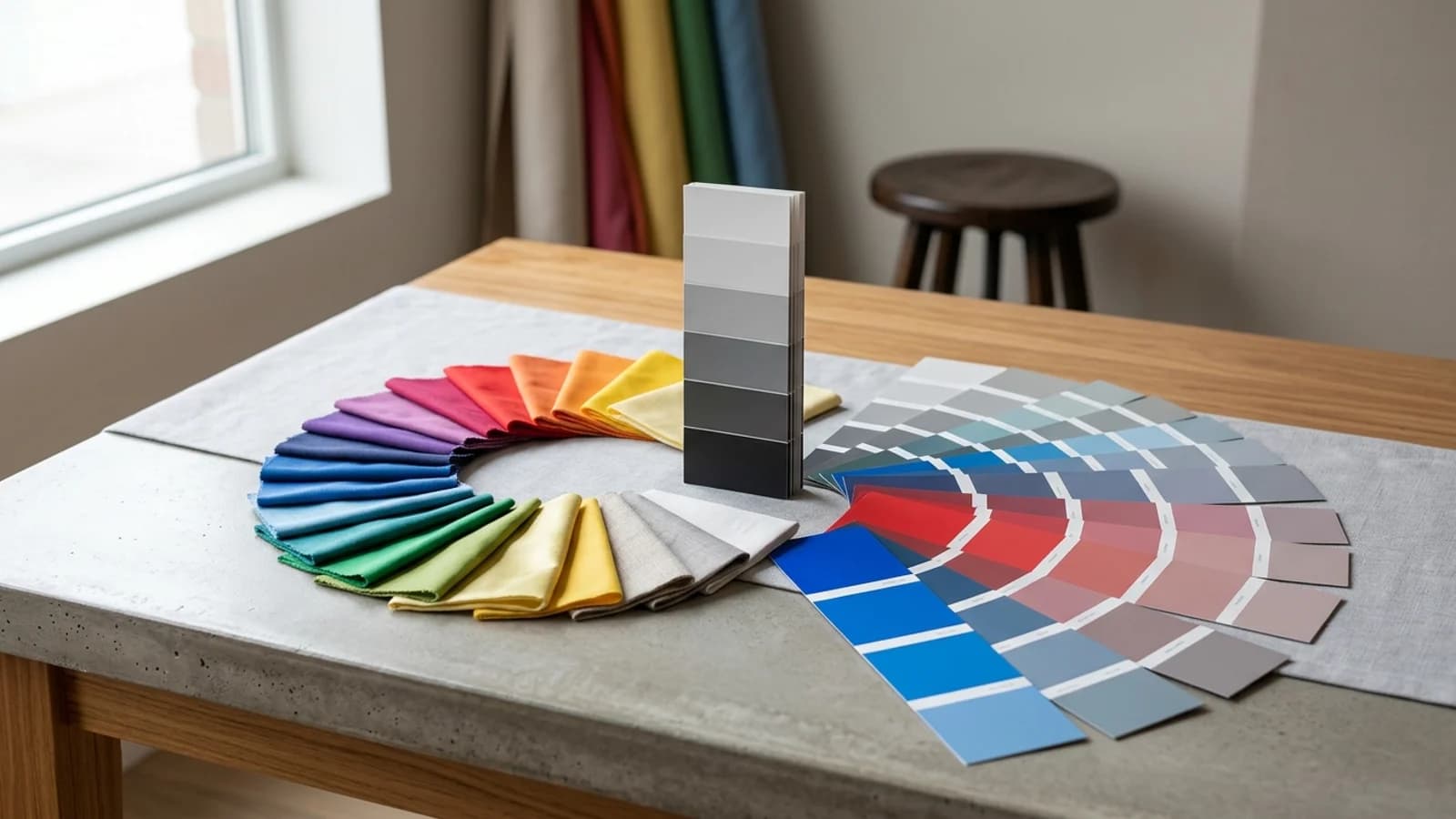
| Dimension | What it means | What to compare | Season clues |
|---|---|---|---|
| Undertone | Whether your coloring leans warm, cool, or neutral. | Cream vs. optic white, gold vs. silver, peach vs. blue-pink, warm brown vs. cool gray. | Warm points toward Spring or Autumn; cool points toward Summer or Winter. |
| Value | How light or deep your overall coloring appears. | Pastels vs. deep navy, ivory vs. black, pale denim vs. dark indigo. | Light points toward Light Spring or Light Summer; deep points toward Deep Autumn or Deep Winter. |
| Chroma | How clear, vivid, muted, or gray your coloring appears. | Bright coral vs. dusty rose, clear turquoise vs. sage, sharp black-white contrast vs. softened contrast. | Bright points toward Bright Spring or Bright Winter; muted points toward Soft Summer or Soft Autumn. |
Undertone is important, but it is not the whole answer. Two people can both be cool-toned and still need very different palettes. One might be a Soft Summer who needs muted, powdery colors. The other might be a Bright Winter who needs electric contrast. The difference is chroma and value.
That is why asking only, "Am I warm or cool?" often leads to the wrong result. A better question is: What temperature, depth, and clarity does my face already contain, and which colors repeat those qualities without overpowering me?
A Practical Self-Assessment Flow
You can start narrowing your season at home, but do it like a comparison test rather than a personality quiz. Use a clean face, natural indirect daylight, no heavy self-tanner, no color-correcting filter, and pull dyed hair away from the face if the color is not close to your natural direction.
- Compare white and cream: optic white usually favors cooler or clearer seasons, while ivory and cream usually favor warmer or softer seasons.
- Compare silver and gold: silver often looks cleaner on cool undertones; yellow gold often looks more natural on warm undertones. If both work, you may be neutral, olive, or near a sister-season boundary.
- Compare light and deep colors: if pastels disappear into you and dark shades sharpen your face, you may need depth. If deep colors look heavy and shadowed, you may need lightness.
- Compare bright and muted colors: if bright color wakes up the face, you may have high chroma. If bright color enters the room before you do, softer colors may be more harmonious.
- Check the face, not the outfit: look for smoother skin, clearer eyes, less shadow under the chin and eyes, and whether your face remains the focal point.
The biggest risk with self-assessment is not that the theory is useless. It is that your environment lies. Warm bathroom bulbs, cool phone screens, automatic camera color correction, tinted windows, old foundation, and surrounding wall color can all shift what your skin appears to be. Even professional color measurement in other industries uses controlled lighting and instruments because human color judgment is so context-sensitive.56
The 12 Color Seasons at a Glance
The 12 seasons form a continuous system rather than twelve disconnected boxes. Neighboring palettes share traits, which is why some people can borrow carefully from a sister season. Still, each season has a dominant need: lightness, depth, warmth, coolness, brightness, or softness.
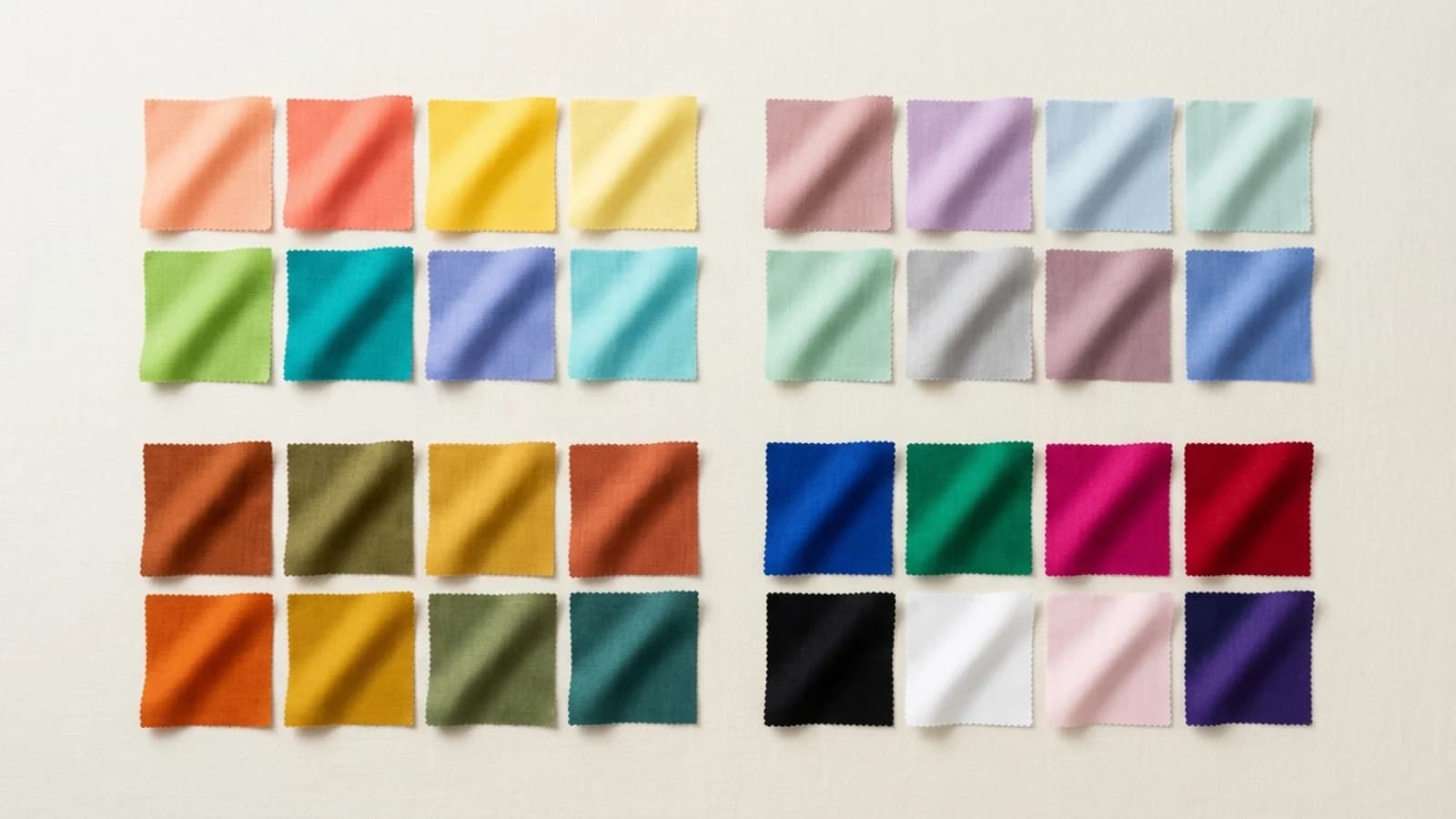
| Season | Core traits | Best colors | Colors that often fail |
|---|---|---|---|
| Bright Spring | Warm-neutral, clear, lively, high chroma. | Coral, clear turquoise, bright peach, lime, warm red. | Dusty mauve, heavy burgundy, flat gray, muted sage. |
| Warm Spring | Warm, sunny, clear, medium-light. | Peach, golden yellow, tomato red, warm aqua, grass green. | Icy pink, charcoal, blue-gray, blackened jewel tones. |
| Light Spring | Light, warm, fresh, delicate. | Light peach, warm ivory, mint, light aqua, clear butter yellow. | Black, deep navy, muddy brown, heavy wine. |
| Light Summer | Light, cool-neutral, gentle, airy. | Powder blue, cool pink, soft lavender, pearl gray, light rose. | Orange, black, deep olive, heavy mustard. |
| Cool Summer | Cool, refined, softly muted. | Rose, blue-gray, raspberry, soft navy, plum, cool sage. | Golden yellow, orange-red, camel, warm beige. |
| Soft Summer | Muted, cool-neutral, blended. | Dusty rose, mauve, slate blue, soft teal, mushroom gray. | Neon brights, stark black-white, warm orange. |
| Soft Autumn | Muted, warm-neutral, earthy, gentle. | Olive, warm taupe, muted terracotta, soft teal, hazelnut. | Icy pastels, stark white, electric blue, neon pink. |
| Warm Autumn | Warm, rich, grounded, slightly muted. | Rust, mustard, olive, copper, pumpkin, chocolate. | Cool gray, blue-pink, icy lavender, stark black-white. |
| Deep Autumn | Deep, warm-neutral, rich, substantial. | Espresso, dark olive, mahogany, aubergine, deep teal. | Powder pastels, icy colors, pale gray, weak beige. |
| Deep Winter | Deep, cool-neutral, dramatic. | Black, charcoal, dark emerald, burgundy, cool navy, berry. | Mustard, rust, camel, warm olive, dusty peach. |
| Cool Winter | Cool, crisp, high contrast. | True white, black, royal blue, fuchsia, icy pink, blue-red. | Cream, orange, camel, warm brown, muted earth tones. |
| Bright Winter | Cool-neutral, very bright, sharply contrasted. | Electric blue, hot pink, vivid magenta, clear violet, black-white. | Dusty colors, muted olive, beige, soft brown. |
The Spring Family
Spring seasons are warm or warm-neutral, with a sense of clarity and freshness. Their colors look alive rather than heavy. Springs are often damaged by colors that are too gray, too dusty, too blackened, or too cold.
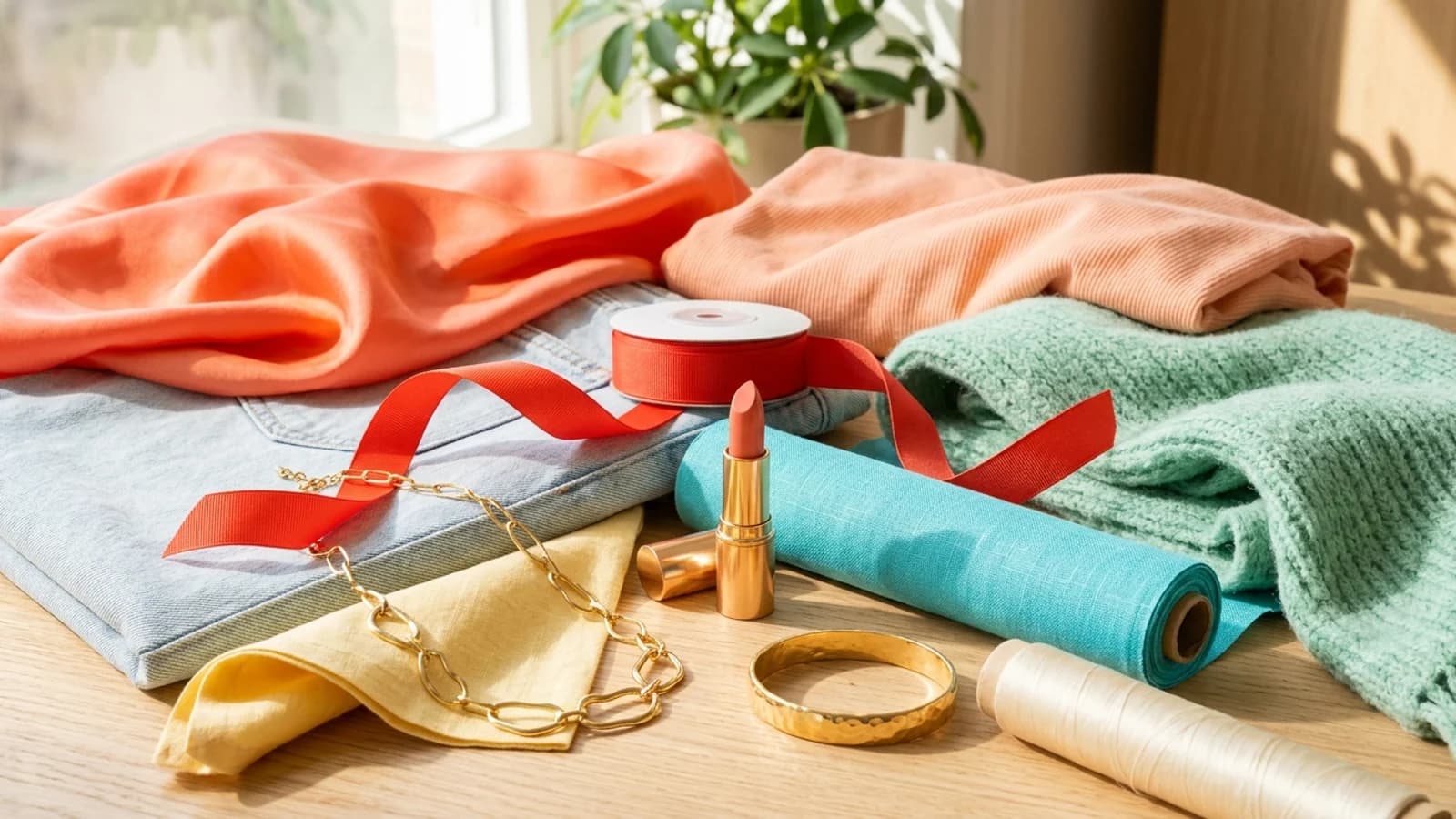
Bright Spring
Bright Spring is led by clarity. It sits near Bright Winter, so it can handle more contrast than the other Spring seasons, but it still needs warmth. Clear coral, bright turquoise, warm red, and fresh green often look more natural than muted autumn colors or dusty summer colors.
Warm Spring
Warm Spring is led by warmth. It is golden, sunny, and energetic. Peach, tomato red, warm aqua, clear grass green, and light golden browns usually work well. Cool blue-pinks, icy grays, and blackened colors can flatten the complexion.
Light Spring
Light Spring is led by lightness. It needs warmth, but too much depth can look heavy. Think light peach, warm ivory, mint, clear aqua, and soft yellow. Black, deep burgundy, and dark navy often overwhelm this palette.
The Summer Family
Summer seasons are cool or cool-neutral and generally softer than Winter. Their best colors often look misted, powdered, or slightly gray. Summers usually struggle with orange, harsh black, and colors that are too yellow or too saturated.
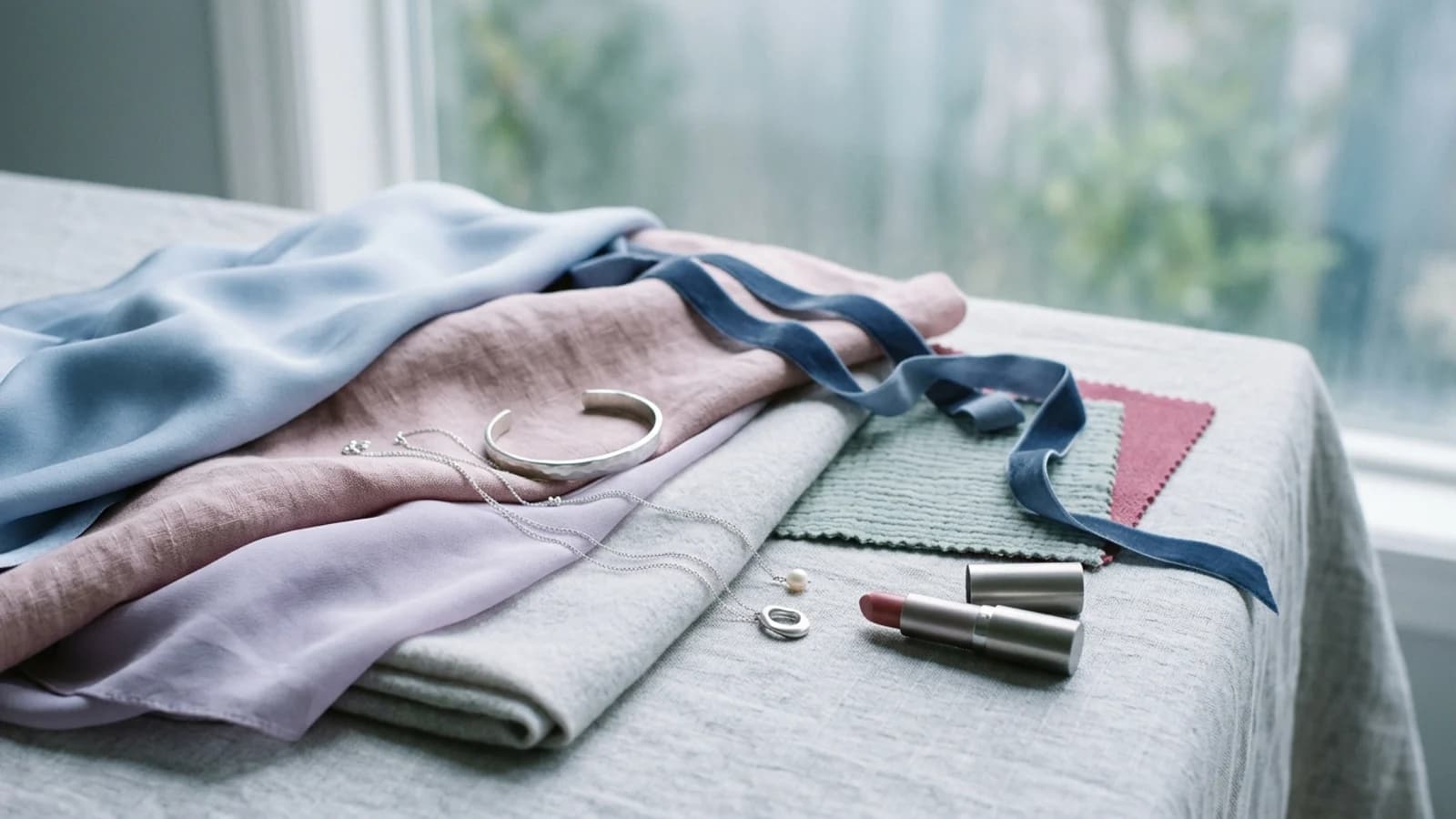
Light Summer
Light Summer is led by lightness with a cool undertone. Powder blue, cool pink, light lavender, pearl gray, and soft rose tend to harmonize. Heavy dark colors, mustard, orange, and deep olive can make the face look tired.
Cool Summer
Cool Summer is led by coolness. It is calmer than Cool Winter and usually better in softened blue-based colors: rose, raspberry, blue-gray, soft navy, plum, and cool sage. Warm beige, camel, orange-red, and golden yellow often pull the skin off balance.
Soft Summer
Soft Summer is led by mutedness. It often looks best in dusty rose, mauve, slate blue, soft teal, mushroom gray, and other softened colors. Neon brights, stark black-white contrast, and warm orange tones can make the face recede.
The Autumn Family
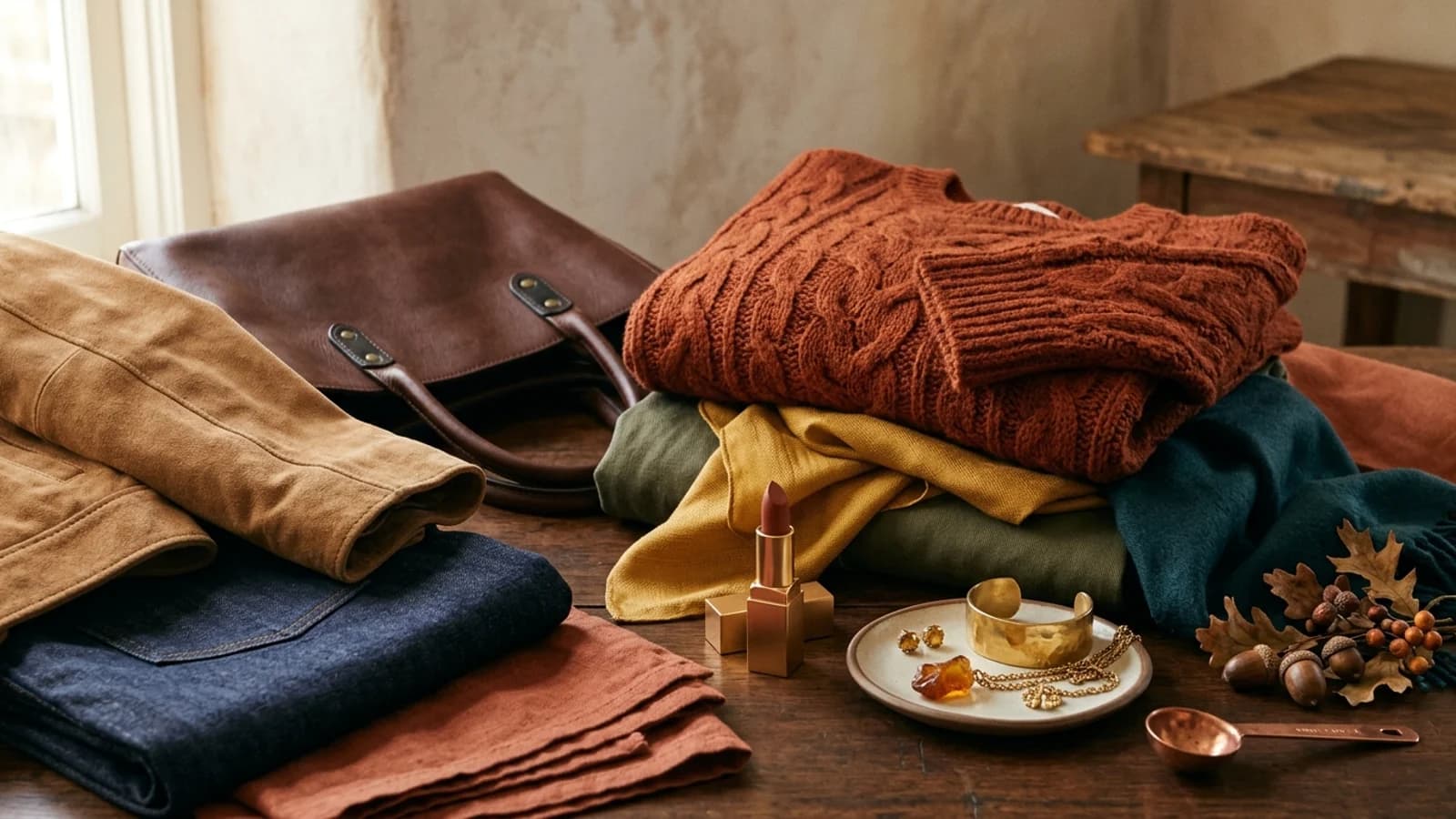
Autumn seasons are warm or warm-neutral with earth, richness, or softness. Their best colors often look like minerals, spices, woods, leaves, leather, and warm denim. They usually struggle with icy pastels, stark white, cool gray, and artificial-looking brights.
Soft Autumn
Soft Autumn is led by mutedness with warmth. Olive, warm taupe, soft teal, muted terracotta, camel, and hazelnut usually look connected. Bright cobalt, icy pink, and sharp black-white contrast can look disconnected.
Warm Autumn
Warm Autumn is led by warmth. Rust, mustard, copper, olive, pumpkin, chocolate, and warm cream bring out its richness. Cool lavender, blue-pink, pure white, and cool gray can drain the golden quality of the face.
Deep Autumn
Deep Autumn is led by depth with warmth. Espresso, dark olive, mahogany, aubergine, deep teal, and black-brown neutrals often work better than airy pastels. A Deep Autumn usually needs enough visual weight near the face.
The Winter Family
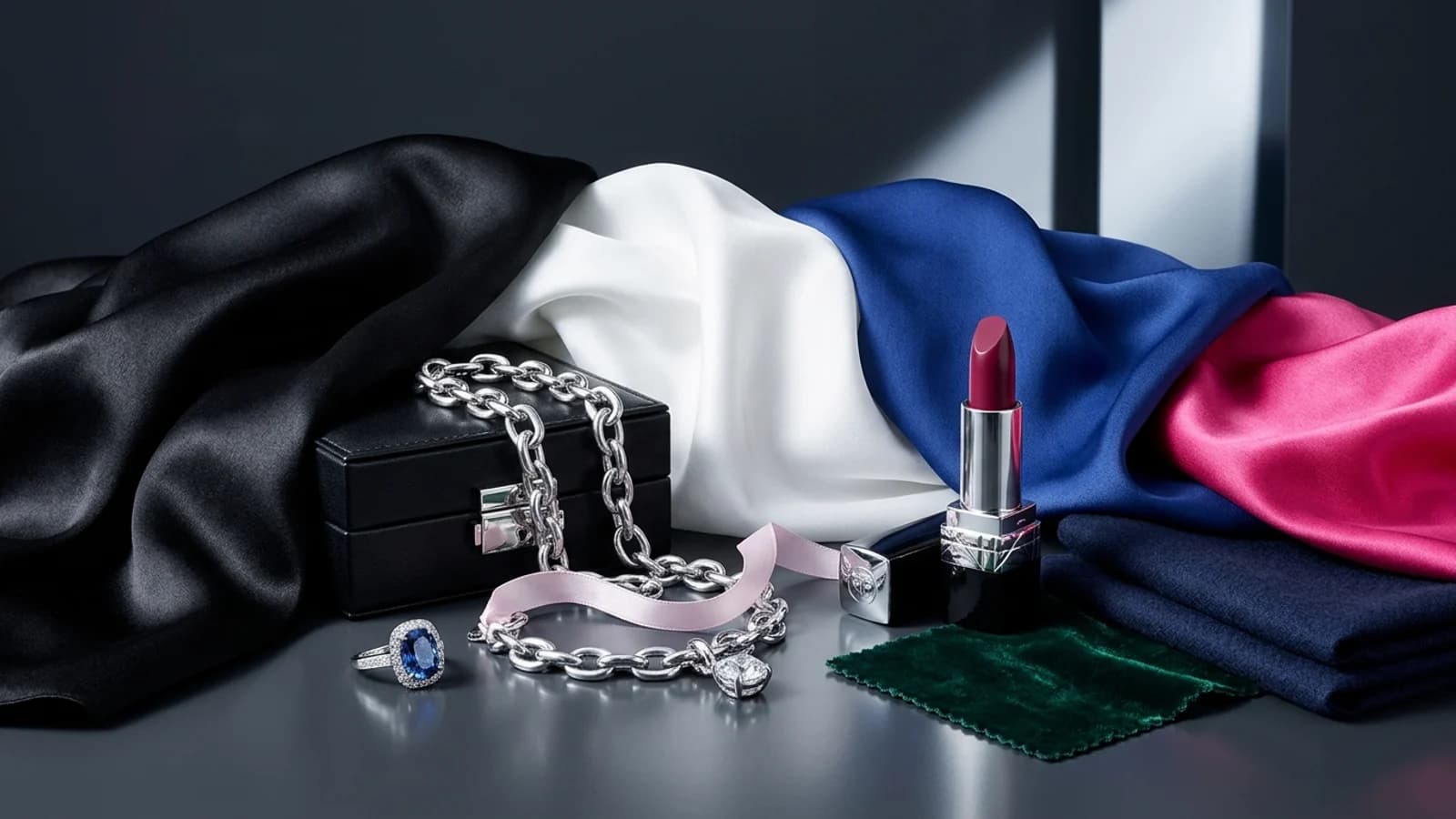
Winter seasons are cool or cool-neutral with clarity, contrast, or depth. Winter palettes can handle cleaner edges than Summer palettes. They usually struggle with muted beige, orange, dusty earth tones, and colors that look too soft or yellow.
Deep Winter
Deep Winter is led by depth with coolness. Black, dark emerald, charcoal, cool navy, berry, and burgundy often look sharp. Mustard, rust, camel, and warm olive can make the skin look sallow or disconnected.
Cool Winter
Cool Winter is led by coolness. True white, black, royal blue, fuchsia, icy pink, blue-red, and crisp charcoal usually work. Cream, orange, warm brown, and camel are common trouble colors.
Bright Winter
Bright Winter is led by brightness and contrast. Electric blue, hot pink, vivid magenta, clear violet, and black-white combinations can look natural rather than loud. Dusty colors, beige, and muted olive often look flat.
Why Inclusive Color Analysis Matters
One of the biggest mistakes in old color-analysis advice is assuming that fair skin means light seasons and deep skin means dark seasons. That is not how color works. Surface depth is only one dimension. A person with deep brown skin can be bright, soft, warm, cool, deep, or light relative to their own feature harmony. A person with fair skin can still be Deep Winter if their hair, eyes, and facial contrast create strong depth.
People of color are often mistyped as Deep Autumn or Deep Winter simply because their features are darker than a white baseline. Modern color analysis has to ask a better question: Is depth truly the dominant trait, or is the person primarily bright, muted, warm, cool, or neutral? Inclusive systems evaluate the relative relationship between skin, hair, eyes, undertone, and chroma instead of treating darkness as a default diagnosis.
Olive skin also needs special care. Olive complexions can carry a green, gray, or muted cast that makes simple warm/cool tests confusing. Some olive undertones are warm, some are cool, and some are neutral. This is why the same person might find that standard foundations look too pink, too orange, or too yellow, while certain muted or jewel-toned colors suddenly make the skin look clean.
What If You Are Between Two Seasons?
Many people sit near a border. That does not mean the system failed. It usually means two dimensions are clear and one dimension is flexible. A Soft Summer may borrow some softer Soft Autumn colors because both palettes share mutedness. A Deep Autumn may borrow certain Deep Winter colors because both palettes share depth. A Bright Spring may borrow some Bright Winter colors because both palettes share clarity.
The safest way to borrow is to keep two dimensions steady and shift only one. If your home season is soft, do not jump to a neon color just because you like the hue. If your home season is deep, do not replace depth with pale powder pastels near the face. Use sister-season colors in accessories, prints, shoes, denim, or small accents before making them your main face-framing color.
- Soft Summer can often borrow the coolest Soft Autumn shades or the gentlest Cool Summer shades.
- Soft Autumn can often borrow the warmest Soft Summer shades or the gentlest Warm Autumn shades.
- Deep Autumn can often borrow some Deep Winter colors when they stay rich and not too icy.
- Deep Winter can often borrow some Deep Autumn colors when they stay dark and not too golden.
- Bright Spring and Bright Winter can share clarity, but temperature still matters.
When to Trust AI, Draping, or Your Own Eye
A thoughtful self-assessment can give you a useful starting point. In-person draping can be excellent when the lighting is controlled and the analyst is experienced. Digital analysis can also be useful when it evaluates the actual image data behind undertone, depth, contrast, and chroma rather than asking you to guess from memory.
The key is input quality. Any system can be misled by poor photos, colored lighting, heavy filters, strong makeup, or hair dye that is not part of your natural baseline. For a more reliable digital result, use clear daylight photos, avoid shadows, remove tinted glasses, keep the face visible, and submit more than one photo so the system can look for stable traits.
Want the answer without guessing?
Start with the free auraDNA preview to see how your own photos read across undertone, depth, and palette fit. Upgrade only if you want the full season, palette, avoid list, hair, makeup, metals, denim, and downloadable report.
FAQ
Can your color season change?
Your underlying undertone usually stays stable, but your visible contrast can change with age, gray hair, sun exposure, hair dye, or major shifts in hair depth. Many people keep the same broad family but need a softer or slightly lighter version over time.
Can I be neutral?
Yes. Many 12-season categories are neutral-warm or neutral-cool rather than purely warm or purely cool. Bright Spring, Light Spring, Light Summer, Soft Summer, Soft Autumn, Deep Autumn, Deep Winter, and Bright Winter often sit near those neutral edges.
Do I need to replace my whole wardrobe?
No. Start with colors closest to the face: tops, jackets, scarves, glasses, jewelry, lipstick, and hair. Pants, skirts, shoes, bags, and belts can be more flexible because they reflect less directly onto the face.
Is my favorite color forbidden if it is not in my palette?
No. Your palette is a tool, not a rulebook. If a favorite color is not ideal near your face, use it in a print, shoe, bag, lower-body piece, nail color, or room decor. You can also look for a version of that color with your season's undertone, depth, and chroma.
What is the quickest way to find my season?
Compare warm vs. cool, light vs. deep, and bright vs. muted colors in natural light, then confirm the result with a photo-based analysis or controlled draping. If your tests conflict, the issue is usually lighting, surface tone, olive undertone, dyed hair, or being near a sister-season border.
Source Notes
This article was adapted from the Color Season Analysis Guide manuscript and edited for auraDNA's blog format, search intent, and product context.
Sources
Selected neutral sources used for the seasonal color framework, color dimensions, skin color measurement, and measurement limitations.